
From Hidden Sprays to Pride Parades: Overwatch’s Journey Toward Authentic Queer Representation
Overwatch's LGBTQ representation remained out of gameplay, in comics and stories, leaving queer heroes like Tracer and Soldier:76 invisible in-game.
The world of Overwatch has always been a lively mosaic of cultures, languages, and personal histories. Since its explosive debut back in 2016, the development team held a simple yet powerful mantra: represent as many different people as possible, and do it with respect. For the most part, they succeeded beautifully. Heroes from every corner of the globe brought their stories into the game’s endless, chaotic firefights. Yet, if you looked closely at one particular aspect of that representation, you might have noticed a lingering silence. The rainbow flag was there, but for a long time it was folded away in a drawer, only glimpsed in fleeting moments outside the main action.
In December 2016, a small holiday comic called Reflections broke new ground. Away from battlefields, the heroes were shown living ordinary, quiet lives. Even Reaper, the eternal edgelord, paused to stare longingly at a happy family through a window. But the comic’s real surprise came through a slice-of-life glimpse at Tracer’s home. There she was, the game’s peppy poster girl, sharing an apartment and a kiss with a woman named Emily. Short of hanging a lesbian flag on the wall, the team couldn’t have been more explicit. Lena Oxton – Tracer – was Overwatch’s first officially queer hero. It should have been a landmark moment for the game itself, right? Well… not quite.
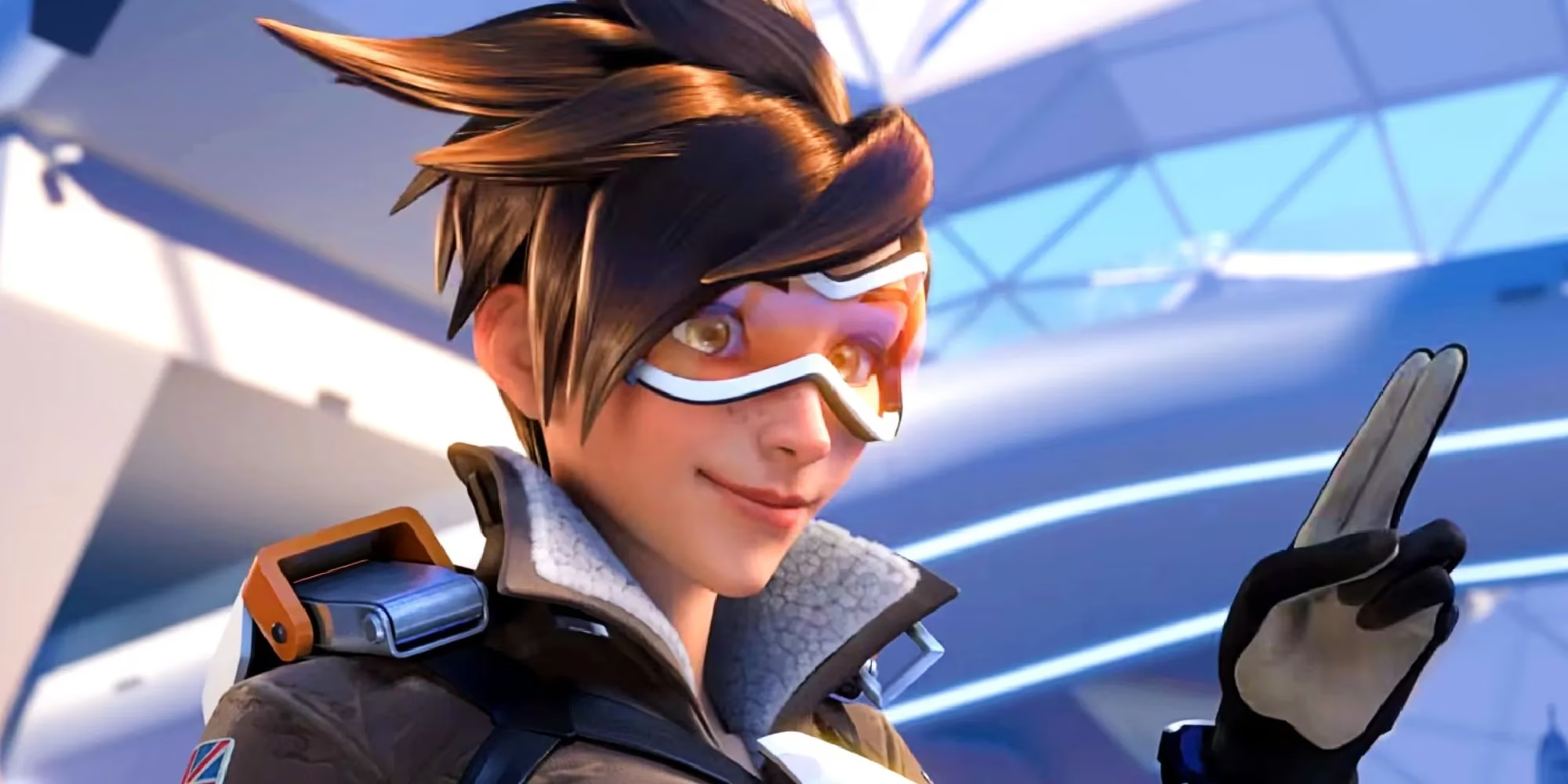
For an embarrassingly long time, the only evidence of Emily inside the actual game was a single spray – a tiny portrait of a smiling woman, unlockable and easy to overlook – and a rare, map-specific voice line on King’s Row: “I wonder if I have time to visit Emily? No, better stay focused.” If you never bothered to read the comic, you would have no clue who this random Londoner was. There was no ring, no “my girlfriend,” no casual mention of their life together. It was as if the game itself was a little too shy to say the word lesbian out loud. The heroes could launch rocket barrages and reverse time, but acknowledging a same-sex partner in combat chatter? That seemed a step too far. To many fans, it felt like a half-measure – a whisper when a party horn was in order.
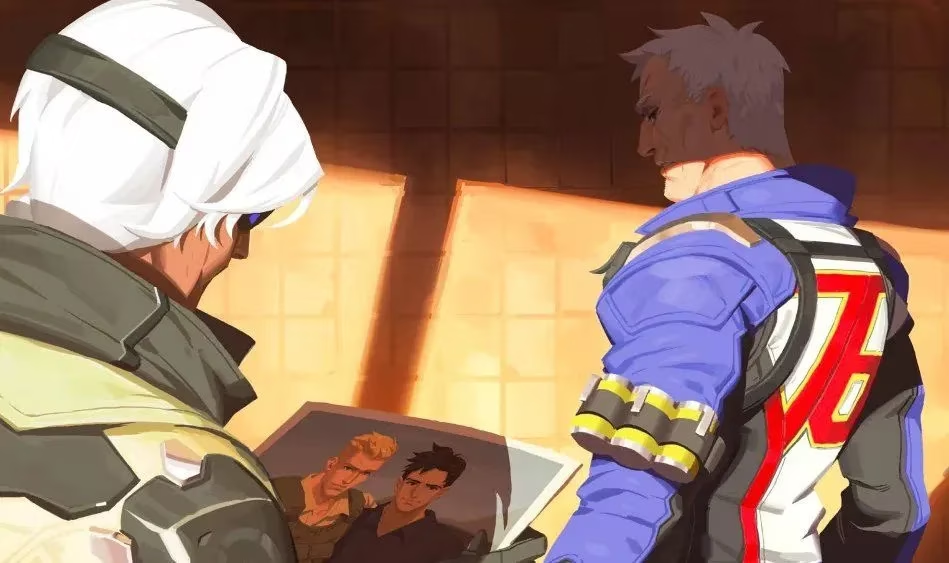
Then came Soldier: 76. In 2019’s short story Bastet, Jack Morrison sat with Ana, reflecting on a lost love named Vincent. The confession was heavy with the weight of years. “Everything I fought for was to protect people like him,” Jack said, a line soaked in the unspoken pain of a world where homophobia still cast long shadows. The moment gave the old soldier a tenderness he’d never shown on the battlefield. Yet once again, the game proper offered almost nothing. One more spray appeared, showing an old photograph of Jack and Vincent from the story’s art. That was it. Another queer hero whose truth lived mostly in supplementary media, locked away where only the most dedicated players would find it.
You could almost hear the collective sigh of queer players who knew exactly what they wanted: to feel seen not just in lore books and comics, but right there in the middle of a brawl, where identity could be as natural as a witty pre-match banter. “For heaven’s sake,” they might have muttered, “just let them be openly themselves where it counts.”
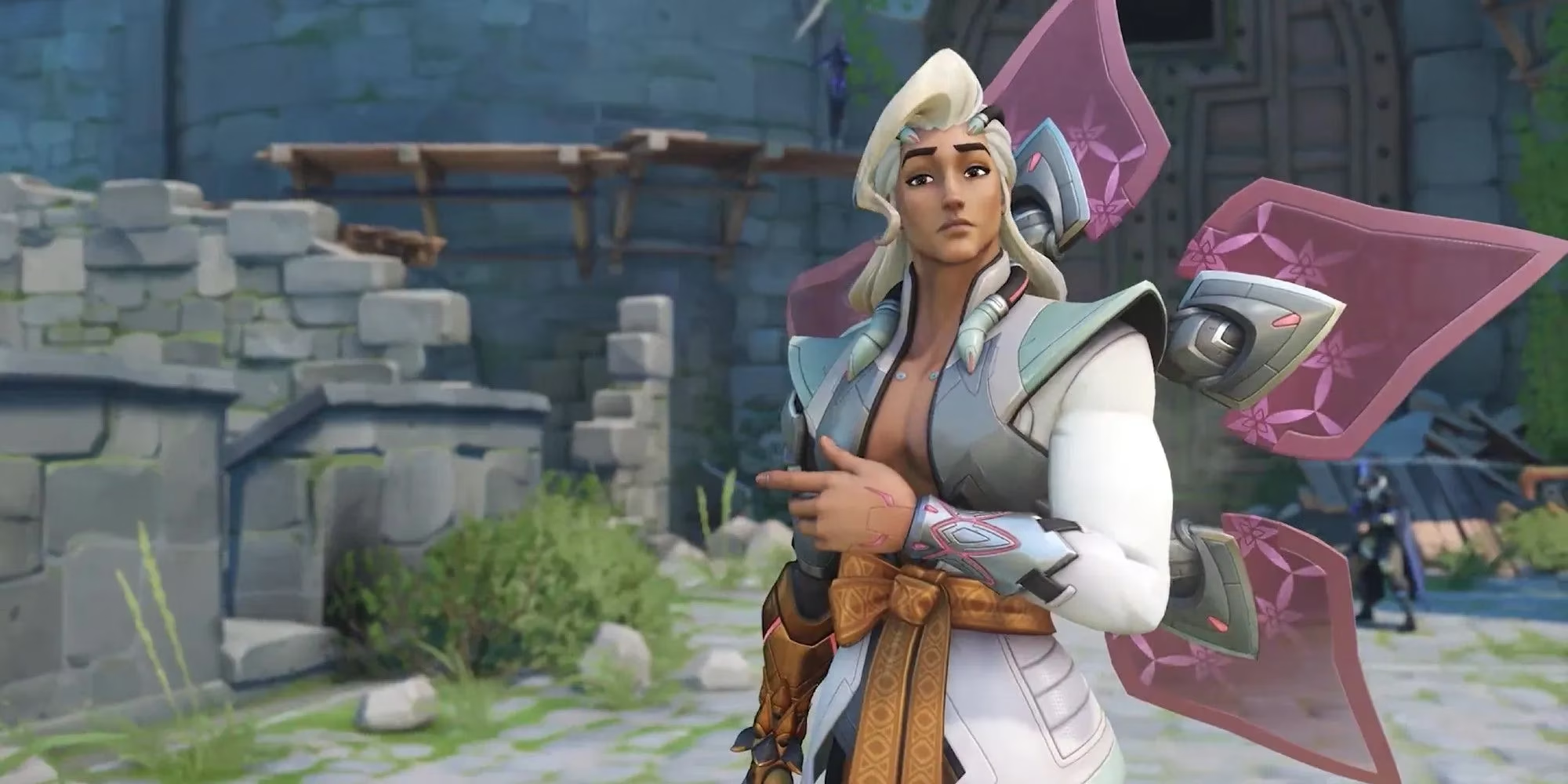
And then, in 2023, something shifted. Lifeweaver bloomed onto the scene like a flamboyant, flower-blessed revelation. From the very first moment, the development team introduced him as pansexual, and this time the label wasn’t just a footnote. Lead Narrative Designer Gavin Jurgens-Fyhrie explained that queer community members were consulted, and a conscious decision was made to actually do something with his identity. The game suddenly felt emboldened. Lifeweaver’s voice lines crackled with flirtatious energy aimed at men and women alike, and one of his favorite targets was the charming, quick-witted Baptiste.
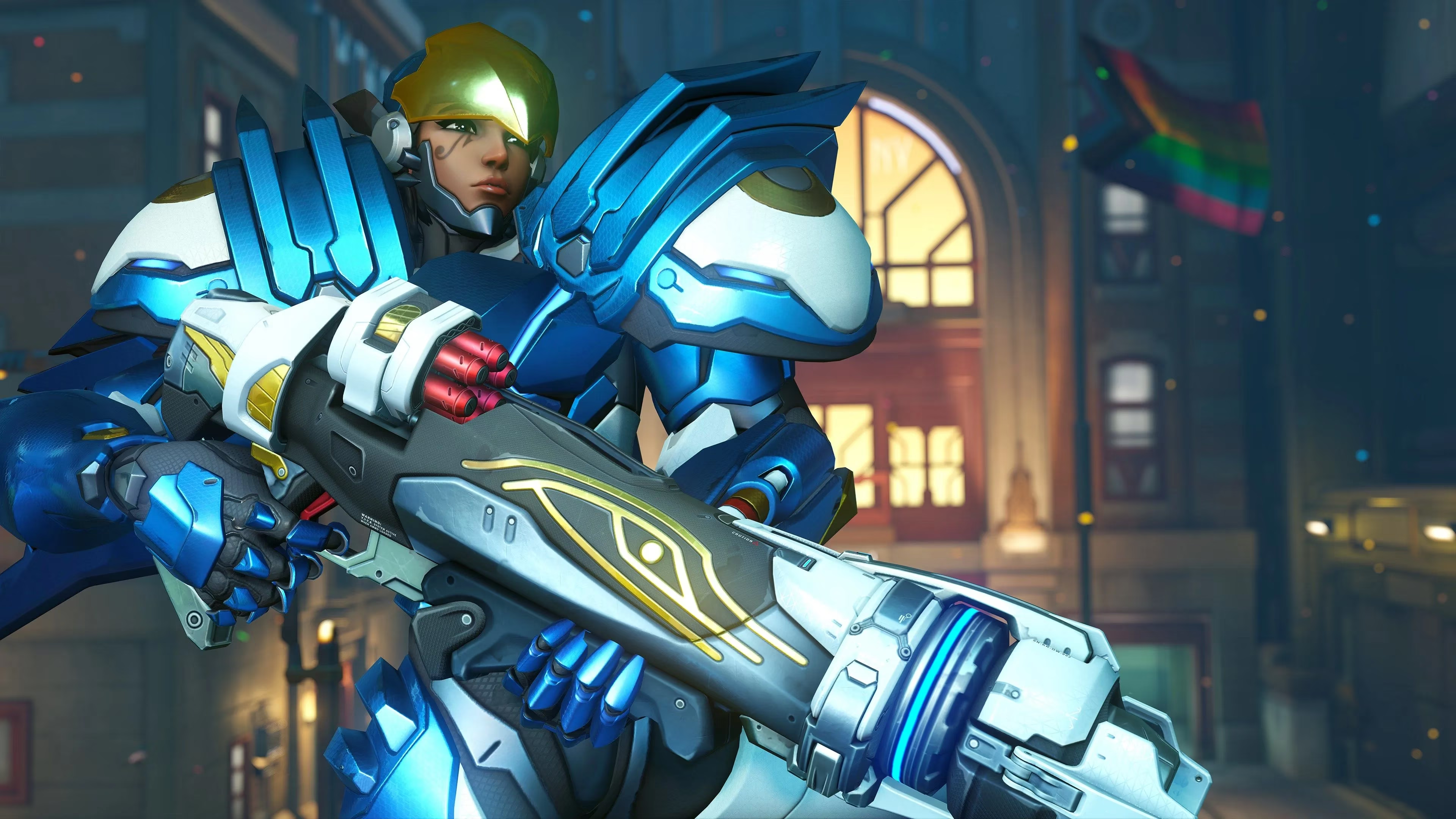
This interplay led to a breathtaking moment of queer solidarity in the June 2023 short story As You Are. Baptiste, reflecting on his own bisexuality, shyly asked Pharah if there was something between her and Cassidy. Fareeha laughed. “He’s like a brother to me,” she said, and then added with a quiet, casual pride, “Besides, I’m a lesbian.” The conversation was electric in its authenticity, the kind of exchange that happens when two queer people realize they share a safe, unspoken understanding. The story even wove in a tender nod to the fan-favorite “Pharmercy” ship, revealing Pharah had once hoped for more from Dr. Angela Ziegler, only to accept it was not meant to be. This was representation that felt lived-in, layered, and deeply human.
Alongside this narrative leap, Overwatch finally threw its first unabashed Pride celebration. The Midtown map transformed into a sun-drenched, confetti-strewn parade route, complete with rainbow crossings and fluttering flags. Player icons and banners for a wide spectrum of identities – including the often-overlooked intersex and genderfluid flags – became freely available. On Watchpoint: Gibraltar, a new permanent photo of Tracer and Emily smiled back at players, their hands forming a heart together, an image that could also be used as a spray with far more emotional weight than the old ambiguous portrait.
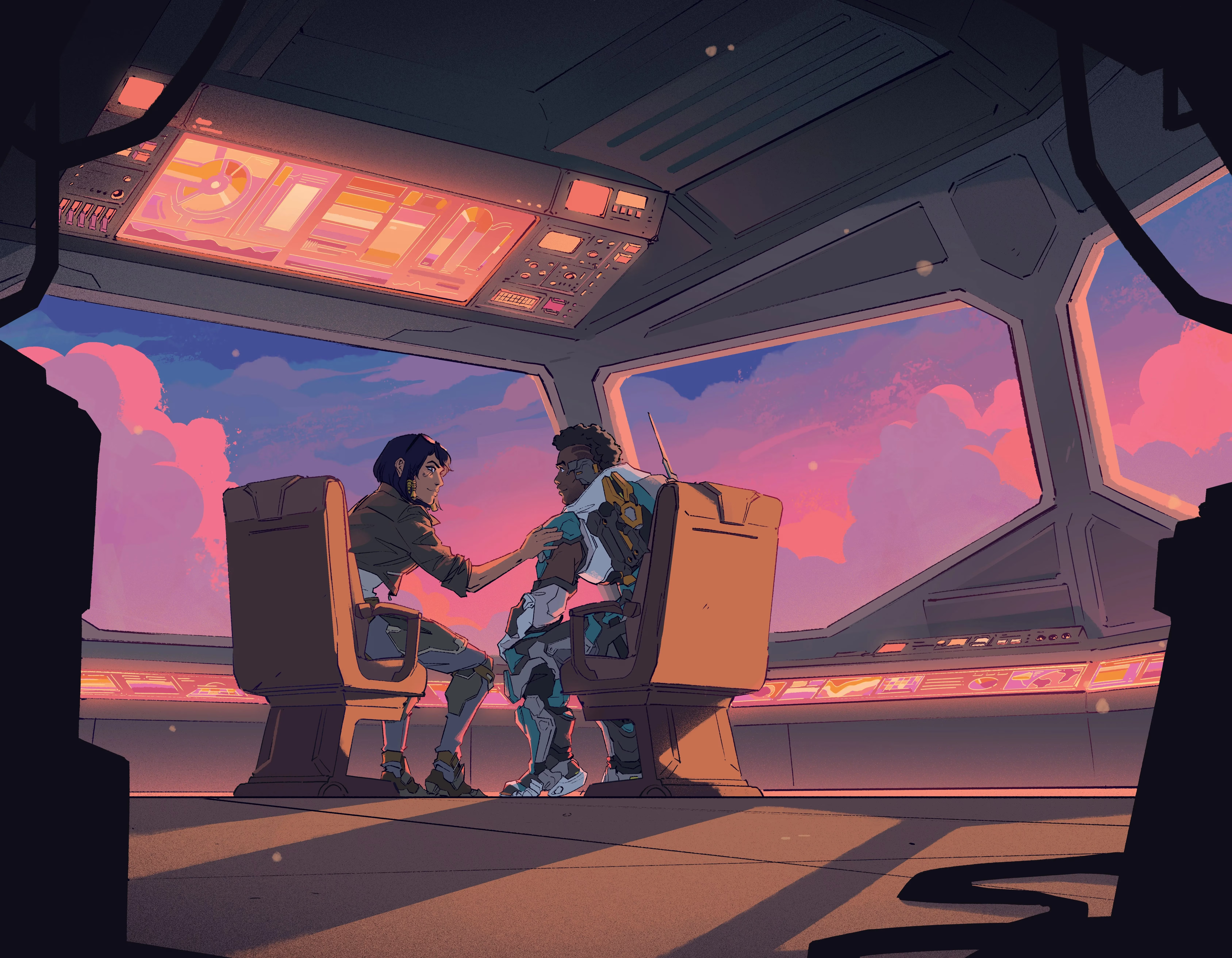
Was everything suddenly perfect? No, of course not. Cynics pointed out that Lifeweaver’s reveal coincided with ugly legal battles over fair pay for Overwatch League players, and the Midtown Pride redesign vanished the moment the calendar flipped to July – a textbook case of rainbow capitalism. But something real had undeniably changed in the air. The development team had proven that they could move beyond tucked-away lore and uncertain whispers. They had started letting their queer heroes laugh, flirt, and mourn in the open, right where millions of players could share those moments.
By 2026, the Overwatch universe feels richer for that courage. New heroes have joined the fight, carrying their own identities with a confidence that once seemed impossible. The sprays have evolved into full-blown highlight intros and animated souvenirs. Voice lines no longer hide behind vague phrasing – when a character mentions a partner, the meaning is clear, because the team learned that authenticity doesn’t need to be muted to be safe. It only needed to be given the same narrative care as any other part of a hero’s story.
Looking back at that lonely spray of Emily from 2016, and then glancing at the vibrant, unabashedly queer Overwatch of today, the journey is like watching someone learn to dance. At first they stood stiffly in the corner, afraid of stepping on toes. But bit by bit, with a little courage and a lot of listening, they found their rhythm – and the floor became a whole lot more beautiful because of it.
Leave a Comment