
How Overwatch 2's Competitive Changes Rekindled My Love for Ranked Play in 2026
Overwatch 2's competitive mode revitalized with a five-win update cadence and role-based matchmaking, scrapping rank decay in Season 4.
I never thought I'd say this, but logging into Overwatch 2 these days actually feels exciting again. Three years ago, that wasn't the case at all. Back in early 2023, the competitive mode was a source of constant frustration. I'd queue up hoping to see my rank inch upwards, but the old system—where your skill tier only updated every seven wins or twenty losses—made the whole grind feel like banging my head against a wall. I'd play for an entire evening, secure six wins, lose a couple, and still have no idea whether I was improving or regressing. The progress bar just sat there, invisible until you hit that magic number. It was unrewarding, disheartening, and it made me seriously question whether I wanted to keep playing.
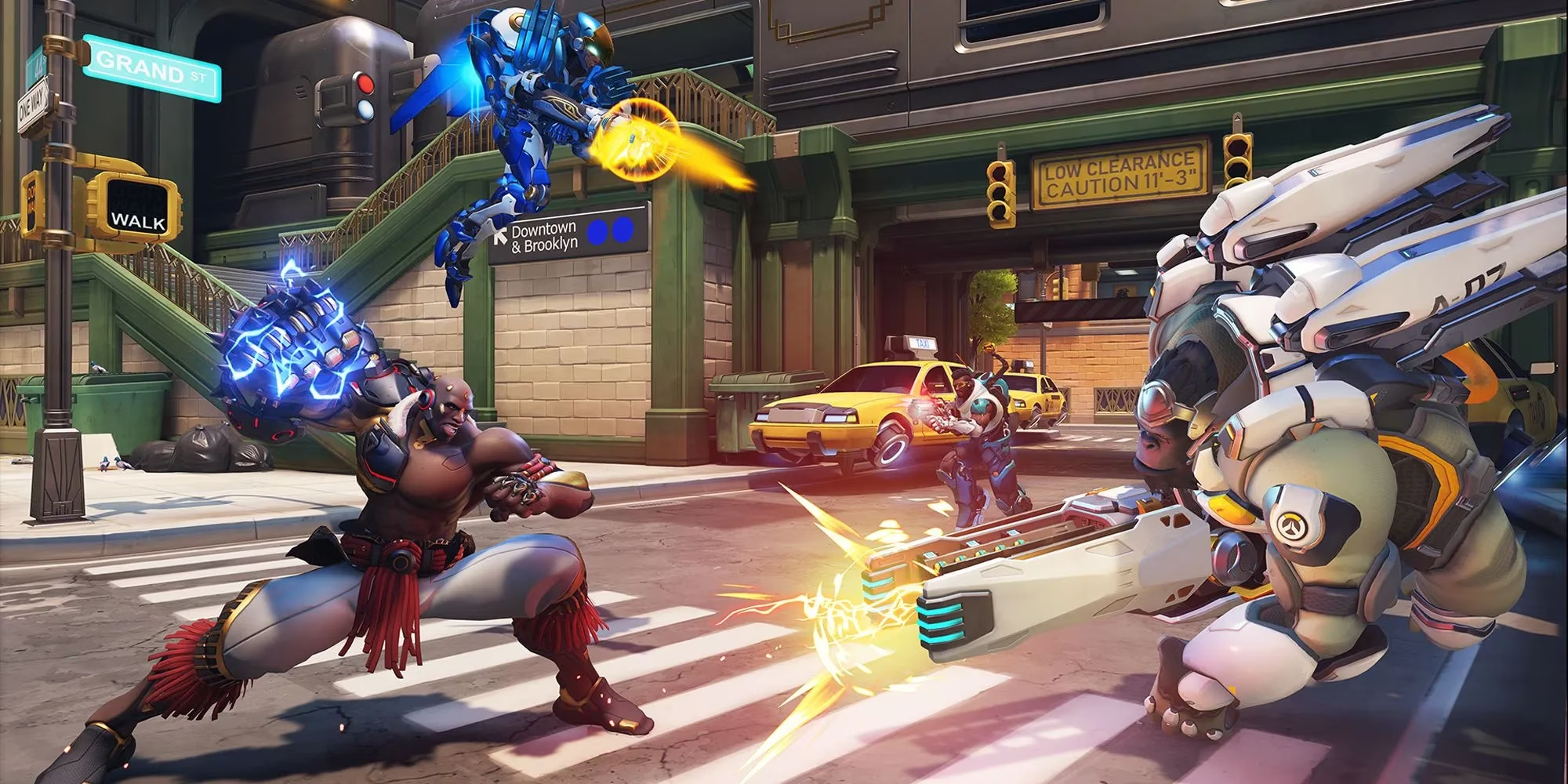
Then came the developer update in early 2023, just before Season 3 launched. I remember reading the patch notes on a chilly February morning—the rank refresh cadence was shrinking to every five wins or fifteen losses. Finally, a glimmer of hope. Instead of those endless sessions where my rank stayed frozen, I'd get tangible feedback almost twice as often. Even better, the UI was getting a permanent competitive progress tracker, not just a post‑victory popup. Suddenly, I could see my journey unfold after every single match. That small tweak did wonders for my motivation.
Season 3 dropped, and I dove in headfirst. The shorter update cycle made each win feel weightier and each loss a prompt to adjust, because I knew a rank shift was lurking just around the corner. The matchmaking also got a subtle but brilliant overhaul: now, role‑based pairings. Instead of a messy average‑skill approximation, the game tried to pit Platinum tanks against Platinum tanks, even if it meant mixing a Silver damage dealer into both teams. It felt fair. I no longer had to suffer through matches where I was clearly outclassed on my main role just because some algorithm was trying to balance the overall average. My games became tighter, more strategic, and honestly, more fun.
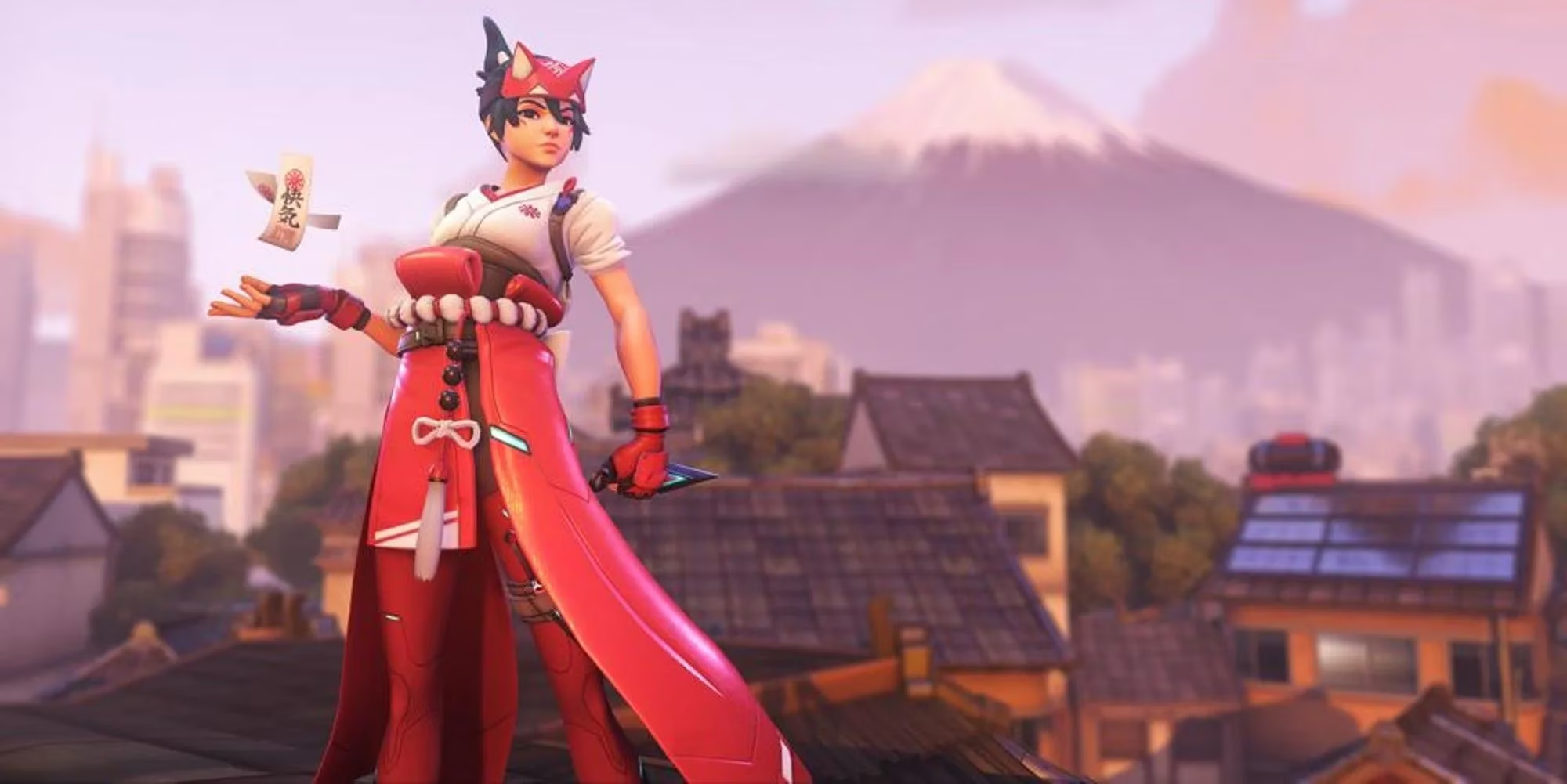
But the real turning point came in Season 4. Remember rank decay? The dreaded reset that yanked you down a tier at the start of each season, forcing you to climb back through a swamp of mismatched teams? That was finally scrapped. I still remember the relief when I could carry my hard‑earned Diamond support rank into the next season without being artificially dragged back to Platinum. It meant my personal growth actually stuck. No more punishing grinds that felt designed to keep me playing rather than to measure my skill. The system was finally respecting my time.
Those changes sparked a domino effect. With the foundational pain points addressed, Blizzard started layering on additional tweaks: ultimate charge adjustments that made comebacks possible, monetization shifts that dialed down the predatory vibe, and even deeper transparency into wins and losses on the competitive update screen. By mid‑2024, the community mood had transformed. I saw old friends returning, lured back by the promise of a mode that no longer felt like a second job. We started scrimming together, laughing about close shaves, and actually celebrating rank‑up moments—real ones, not the hollow numbers of the past.
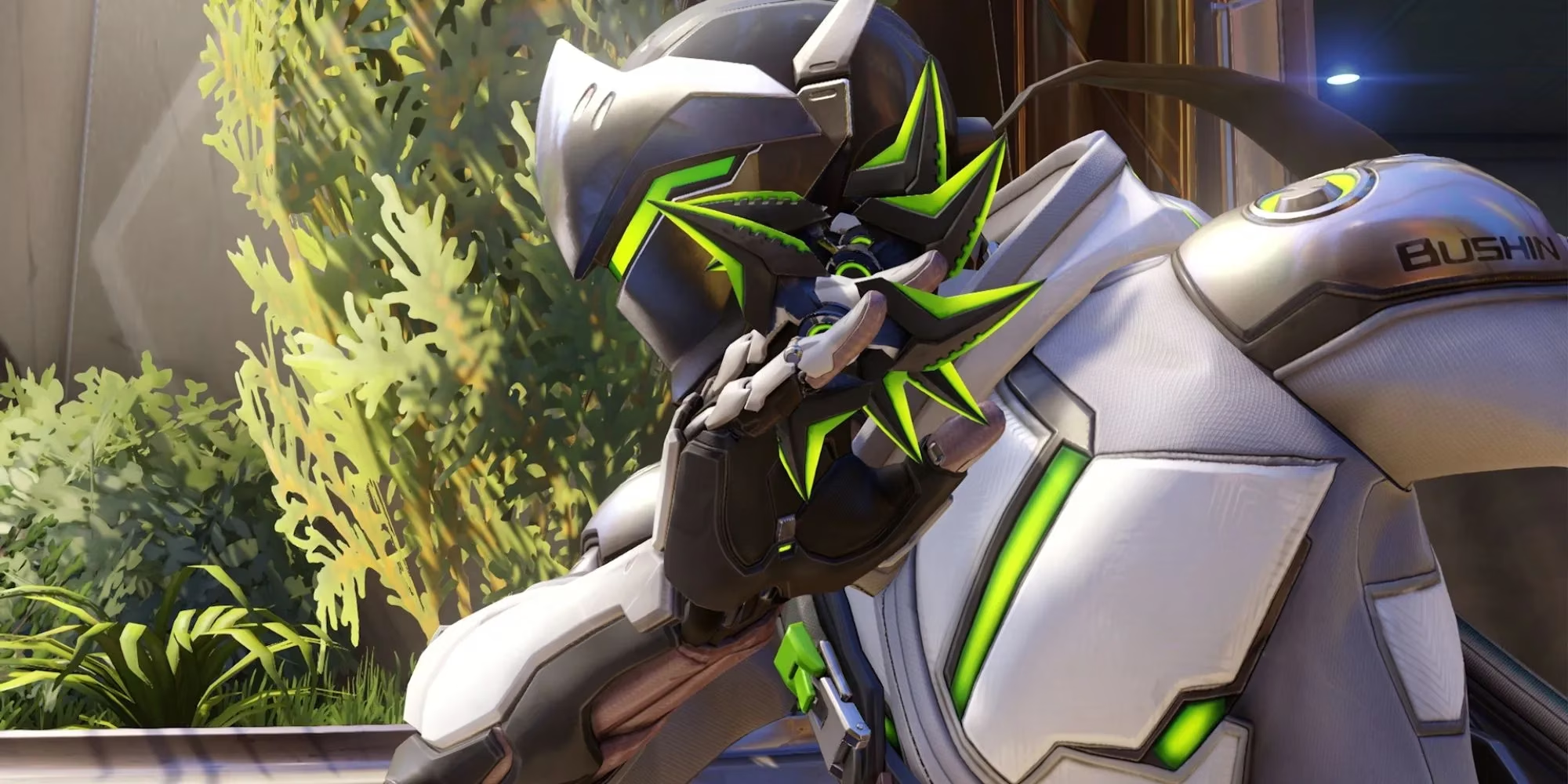
Fast forward to today, 2026. Overwatch 2's competitive ladder isn't perfect—no game ever is—but it's a far cry from the anxiety‑inducing treadmill it once was. The 5‑win/15‑loss cadence has become second nature, and the ever‑visible progress bar gives me a steady stream of micro‑goals. I can glance at my Career Profile and see exactly how close I am to the next division, which turns idle queue times into mini planning sessions. The role‑based matchmaking still occasionally throws a curveball, but the rough edges have been sanded down over three years of fine‑tuning.
What strikes me most is how these updates rekindled my trust in the game. I'm no longer queuing out of habit or sunk‑cost fallacy; I'm queuing because I genuinely enjoy the dance of climbing. The transparency, the fairness, and the respect for my time make all the difference. If you'd asked me in 2022 whether I'd still be playing Overwatch 2 four years later, I would have laughed. Yet here I am, locking in my favorite hero, ready for another set of five. Competitive mode finally feels like a dialogue between player and developer, and I'm eager to see where the next seasons take us.
Leave a Comment