
Marvel Rivals Launch Cosmetics Strategy Analysis
Marvel Rivals offers diverse, captivating cosmetic skins that enhance gameplay and fan engagement, setting a new standard in gaming aesthetics and monetization.
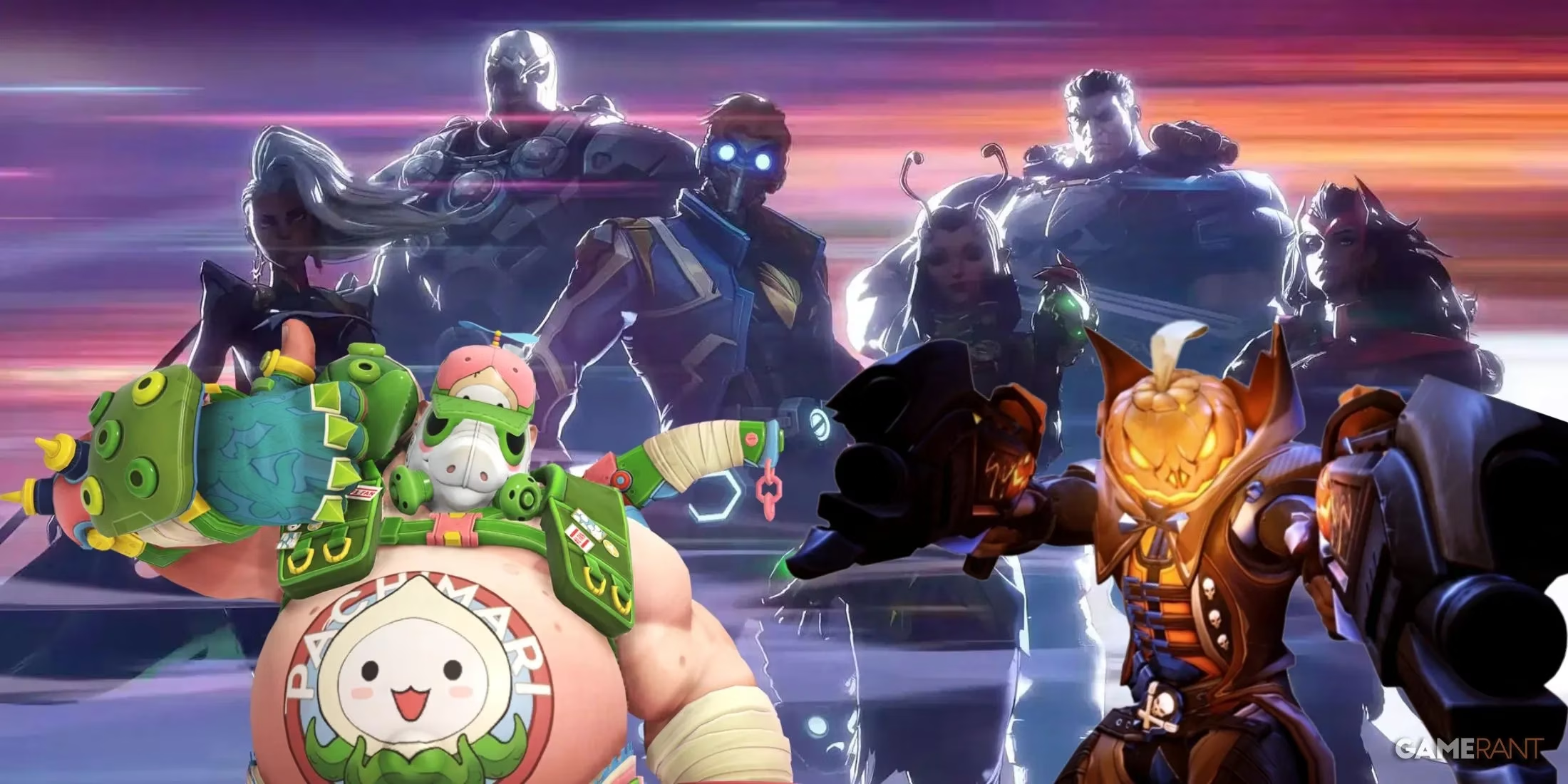
Over recent years, cosmetic items have become deeply embedded in gaming culture, particularly within live-service multiplayer titles. These visual enhancements represent an ideal balance for developers—they provide a steady revenue stream while avoiding interference with core gameplay mechanics and balance. Marvel Rivals enters this landscape with an impressive array of optional paid cosmetics available from day one.
Developer NetEase has fully embraced the cosmetic potential of Marvel Rivals, especially when it comes to alternative costumes. Upon launch, players discover a wealth of cosmetic options inspired by various corners of the Marvel multimedia universe, ranging from beloved comic book runs to appearances in the Marvel Cinematic Universe. This represents a strong foundation, though maintaining satisfaction among all fans regarding cosmetics presents an ongoing challenge—a lesson Overwatch 2 has learned throughout its two-year lifespan.
At launch, each of Marvel Rivals' 33 playable heroes features at least two alternate skins (with Moon Knight being the exception). Players can unlock these through various means: the Season 0 Battle Pass, the in-game store, or by completing specific achievements. While every character receives a relatively simple color palette swap as one option, the other launch-day cosmetic typically offers more distinctiveness, often drawing inspiration from specific Marvel comic appearances or MCU designs.
Certain popular characters like Spider-Man, Hela, and Hawkeye enjoy additional outfit options at launch, but overall, the development team has maintained remarkable roster equality. This approach proves particularly valuable within the Marvel universe where every character has dedicated fans. By ensuring each roster member receives multiple skin options, the game caters to diverse player preferences and provides incentive for continued engagement as players work to unlock alternative outfits for their favored characters.
However, this balanced approach faces future challenges, as demonstrated by Overwatch 2's cosmetic distribution patterns. Since its October 2022 launch, Overwatch 2 has shown distinct favoritism toward certain heroes when creating new cosmetics. This tendency becomes especially noticeable when examining Overwatch 2's recent crossover events.
Reinhardt serves as a prime example of this cosmetic favoritism. The character featured prominently in the Transformers, World of Warcraft, and My Hero Academia collaborations. Similarly, Kiriko frequently receives new skins, with recent leaks indicating another upcoming outfit as part of an Avatar: The Last Airbender crossover—a development already generating criticism for potentially replacing a Katara-inspired design.
While heroes like Kiriko, Reinhardt, Mercy, Widowmaker, Ashe, and Genji regularly receive high-quality new skins, many other characters remain neglected. When players' favorite characters receive limited cosmetic attention, their motivation to continue playing diminishes, particularly after unlocking all available outfits for those characters. Marvel Rivals must therefore maintain vigilance against disproportionately favoring specific heroes season after season.
The cosmetic strategy employed at Marvel Rivals' launch demonstrates thoughtful planning. Key aspects include:
-
Equal distribution: Nearly all launch characters receive comparable cosmetic attention
-
Diverse inspiration: Skins draw from multiple Marvel universes including comics and films
-
Multiple acquisition methods: Players can obtain cosmetics through gameplay, battle pass, or store purchases
-
Variety within options: Each character receives both simple recolors and more distinctive outfit changes
This approach contrasts significantly with trends observed in established competitors. Overwatch 2's pattern of frequently creating new cosmetics for a limited selection of popular heroes has created dissatisfaction among players who main less-favored characters. The repeated selection of the same characters for crossover events and premium skins suggests commercial considerations sometimes override roster balance.
For Marvel Rivals to maintain long-term player engagement, the development team must resist the temptation to disproportionately focus cosmetic development on the most commercially popular characters. The Marvel universe contains countless beloved characters, each with dedicated fanbases. Neglecting these smaller fanbases in cosmetic development could eventually impact retention, as players whose favorite characters receive limited attention may lose motivation to continue playing or purchasing cosmetics.
The live-service model depends on sustained player engagement, and cosmetics serve as a primary driver of this continued participation. When players feel their preferred characters receive adequate attention and new cosmetic options, they're more likely to remain invested in the game. Conversely, when favorite characters are consistently overlooked, players may seek alternative games where their preferred aesthetics receive better support.
Marvel Rivals' initial cosmetic offering establishes a strong foundation for player satisfaction. The equitable distribution of launch skins across the entire roster demonstrates awareness of the importance of catering to diverse player preferences. Maintaining this balance as the game evolves will require conscious effort and potentially establishing systems to ensure all characters receive regular cosmetic updates.
Potential strategies to maintain cosmetic balance include:
-
Regular rotation: Systematically ensuring each character receives new cosmetics within specific timeframes
-
Player feedback integration: Actively monitoring which characters players feel need more cosmetic options
-
Thematic events: Creating events that naturally include characters who've received fewer recent cosmetics
-
Transparent planning: Communicating upcoming cosmetic schedules to manage player expectations
As Marvel Rivals continues to develop beyond its initial launch, the cosmetic approach will significantly influence long-term player satisfaction and retention. The lessons from other live-service games—particularly regarding the risks of favoritism—provide valuable guidance for maintaining a healthy cosmetic ecosystem that serves all players rather than just those who prefer the most popular characters.
Leave a Comment