
Overwatch 2 Fan Creates Stunning PvE UI Concepts, Reviving Memories of a Canceled Dream
Overwatch 2 PvE mode, a transformative narrative-driven campaign, is vividly reimagined through stunning fan-made concepts, showcasing the immense potential and profound community disappointment over its cancellation.
The Overwatch 2 community has long harbored a collective sense of "what could have been," a feeling recently stirred anew not by an official announcement, but by the work of a dedicated fan. While the game offers its frenetic Quick Play and high-stakes Competitive matches, a shadow has lingered since 2023—the official cancellation of the promised, expansive Player vs. Environment (PvE) mode. This mode, first unveiled with great fanfare at BlizzCon 2019, was envisioned as a transformative experience, a narrative-driven campaign where heroes could evolve through talent trees and cooperative missions. Its abrupt cancellation left a void, a wound that talented fans like Reddit user roastedtuna are now addressing with incredible detail and passion, crafting visual blueprints for the feature that never was.
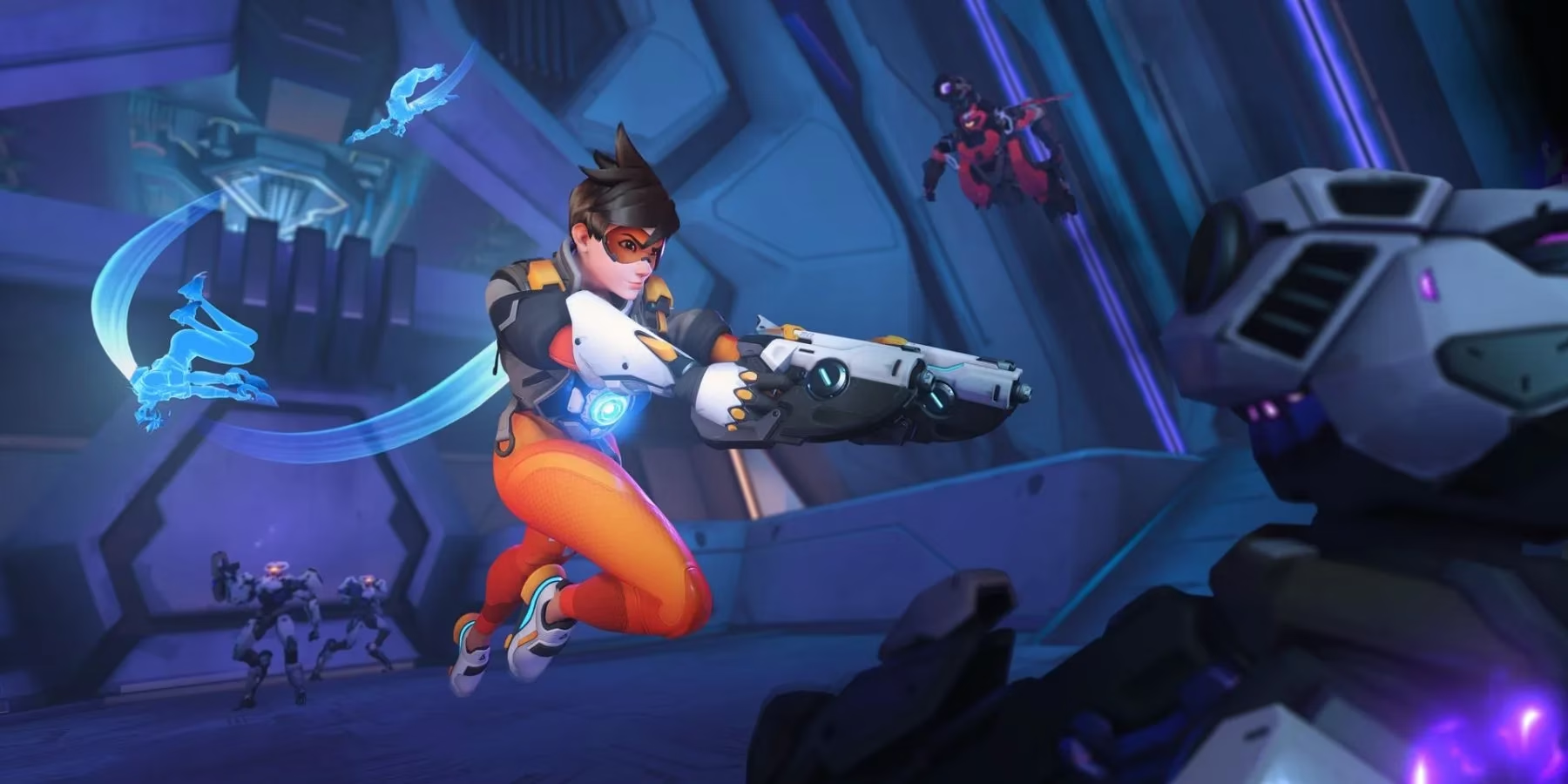
Roastedtuna's project is a masterclass in speculative design, presenting a series of polished UI screens that paint a vivid picture of the lost PvE mode. The concepts are not mere sketches; they are fully realized interfaces that feel authentically Blizzard. The journey begins in a hero preparation hub. One screen depicts a bustling in-game shop, where players could browse and purchase unique skins for Tracer and specialized weapons to equip on heroes like Mei, Reinhardt, and Zarya. This suggests a layer of progression and customization far beyond the cosmetic-only systems present in the live game. Another screen zooms in on the mission preparation phase, showing a detailed character selection panel. Here, a hero's portrait is flanked by slots for equippable artifacts, a list of selectable talents, and a breakdown of skills—hinting at the deep, RPG-like progression system that was scrapped.
The fan's vision extends into the heart of the action. One compelling concept shows Tracer in the iconic King's Row map, but the scene is framed by a mission UI. A clean list of active objectives sits in the corner, tracking player progress through a bespoke PvE scenario. This small detail speaks volumes, transforming familiar multiplayer arenas into stages for cooperative storytelling. Finally, a mission selection screen lays out the potential scope: a list of available operations, each detailing specific objectives and the tantalizing rewards on offer, from new artifacts to exclusive cosmetics. This structured approach promised a replayable, goal-oriented experience starkly different from the seasonal event missions eventually released.
The reaction from the Overwatch community was a potent mix of admiration and melancholy. Redditors flooded the post with praise for the design's professionalism and clarity. Yet, beneath the compliments lay a deep-seated frustration. Comments quickly turned to mourning the canceled mode, with many labeling it one of the most disappointing decisions in the shooter's history. One sentiment echoed repeatedly: the profound loss of the promised hero talent trees. This feature, which would have allowed players to permanently customize and power up their favorite characters through unique skill upgrades, represented the core fantasy of the original PvE promise. Its absence is felt acutely, a symbol of a more ambitious, persistent version of Overwatch 2 that never materialized.
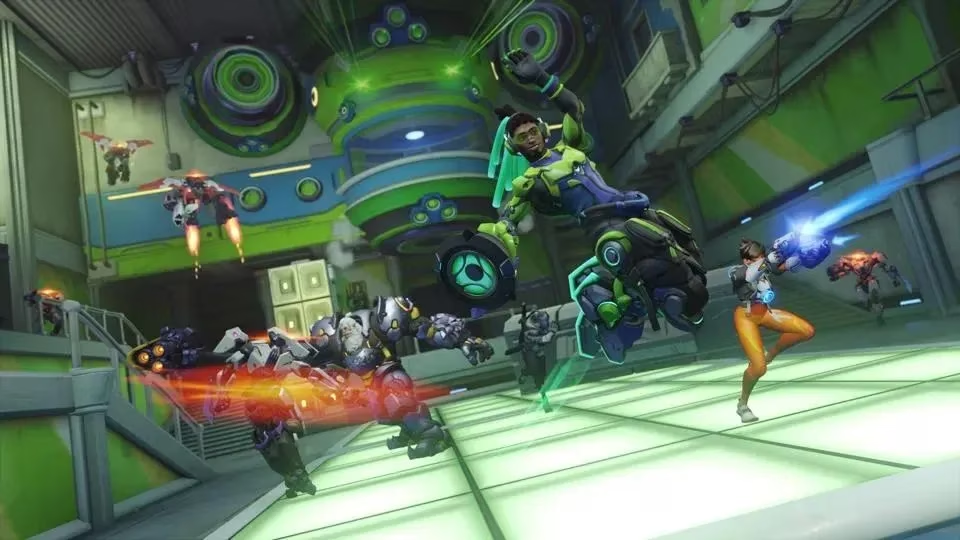
Blizzard's official reasoning, as explained by Executive Producer Jared Neuss, was that the original, grandiose vision for PvE proved "not realistic" to develop alongside the ongoing live service demands of the core game. The compromise—and a controversial one at that—was the release of Story Missions locked behind a paywall. These missions, while offering narrative content, are linear experiences lacking the deep progression, talent systems, and replayability that defined the initial promise. For many players, they felt like a pale shadow, a reminder of the richer experience that was abandoned. The fan concepts by roastedtuna inadvertently highlight this gap, showcasing systems that would have made Overwatch 2 feel less like a sequel and more like the evolution it was marketed as—some even saw it as a spiritual step toward the long-rumored, canceled MMO project, Project Titan.
As 2026 unfolds, the legacy of the canceled PvE mode continues to shape the Overwatch 2 community's relationship with the game. Projects like roastedtuna's serve as a bittersweet tribute, a community-driven act of preservation for a shared dream. They keep the conversation alive, not just about what was lost, but about the enduring desire for a deeper, more collaborative experience within the Overwatch universe. While players hold onto a faint hope that Blizzard might one day revisit this ambitious concept, for now, they are left to imagine the epic battles and hero journeys through the impressive, detailed fan art that continues to emerge, a testament to the unrealized potential that still captivates them.
Leave a Comment