
Overwatch 2's Game Modes Get a Permanent Speed Boost
Overwatch 2's 2026 update permanently integrates the exhilarating 'Quicker Play' speed boosts from 'Quick Play: Hacked' events into core modes like Push and Escort, delivering the high-octane chaos players demanded.
As we roll into 2026, the world of Overwatch 2 is moving faster than ever—and we're not just talking about Genji mains with their blades out. In a move that's got the player base saying "let's goooo," the developers have decided to take some of the most popular tweaks from their experimental 'Quick Play: Hacked' events and bake them right into the core game. It turns out players loved the high-octane chaos of 'Quicker Play' so much that Blizzard decided to make the speed permanent for several key modes. Talk about taking fan feedback and running with it—literally!
What's Getting the Need for Speed?
The changes are hitting four major game modes: Push, Flashpoint, Hybrid, and Escort. The goal? To trim the fat and keep the action flowing. No more waiting around, folks! Here’s the breakdown of what's changing for good:
-
Push: The big robot buddy pushing the barricade now moves at a brisk jog instead of a leisurely stroll. Quick Play matches have also been shortened from 10 minutes to a tight 8 minutes. Competitive Push is holding at 10 minutes... for now. Don't be surprised if that gets the chop too!
-
Flashpoint: Spawning in? You'll now get a temporary speed boost when leaving your base, helping you get back to the fight in a flash. No more long, sad walks of shame.
-
Hybrid & Escort: Defenders during the setup phase now get a similar speed boost. Setting up your defenses just got a whole lot zippier.
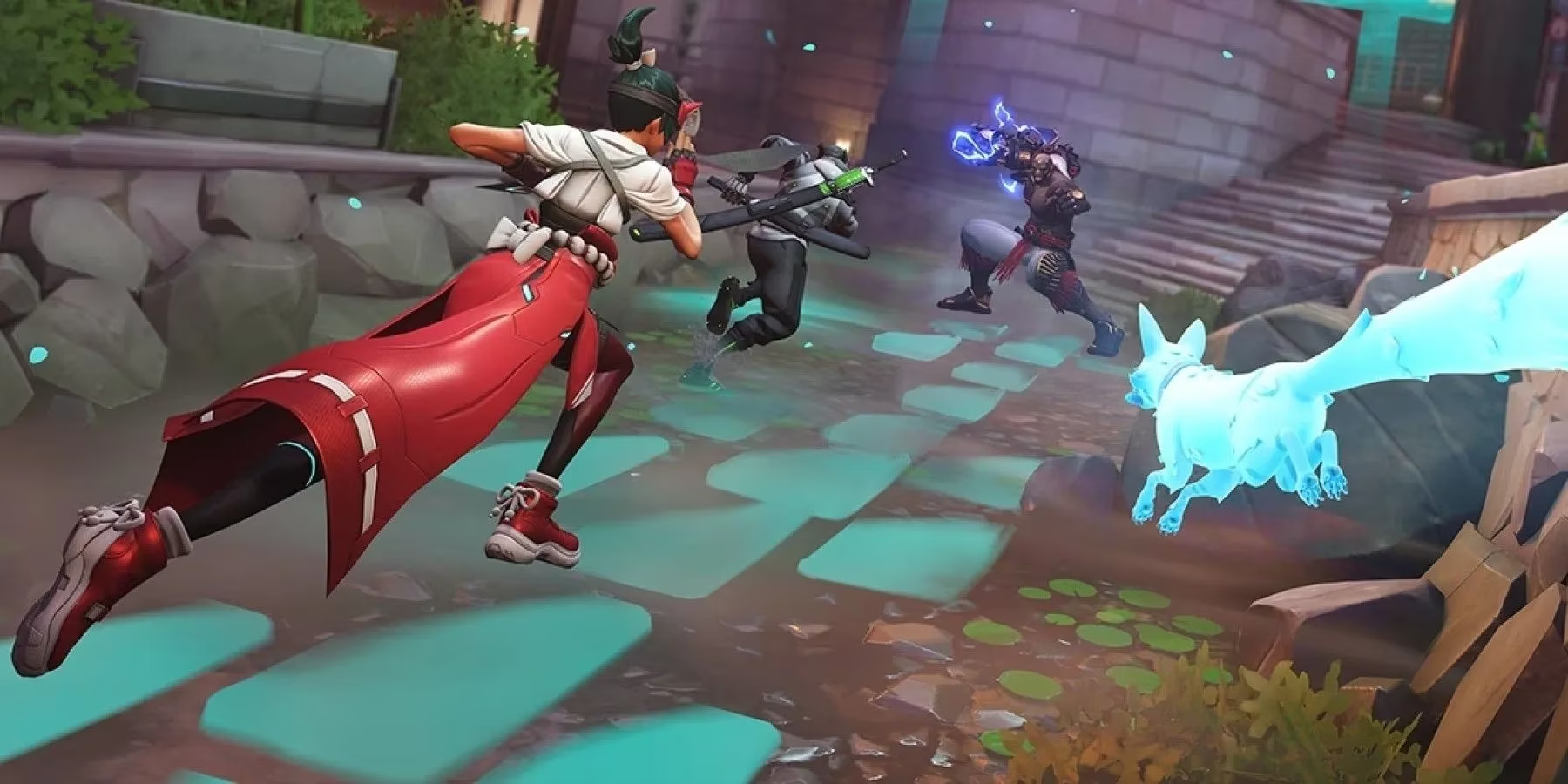
The 'Quicker Play' test that started it all. Players loved it, and now its spirit lives on!
Why the Sudden Need for Speed?
So, what prompted this permanent pedal-to-the-metal approach? It all goes back to that wild child of an event, Quick Play: Hacked. This recurring, limited-time mode serves as Blizzard's official sandbox for testing some truly whacky and wonderful ideas. The inaugural test, dubbed 'Quicker Play,' was a smash hit. It cranked everything to eleven:
-
Reduced respawn times (goodbye, spectator mode!)
-
Sped up payloads and push bots
-
Increased objective capture and scoring speeds
The community's response was overwhelmingly positive. Game Director Aaron Keller noted in a recent blog that the data showed players were having an absolute blast with the faster pace. The message was clear: the core game modes could benefit from a little more zoom. It seems the devs agreed, deciding to implement the most well-received changes permanently. It's a classic case of "if it ain't broke, but could be faster, make it faster."
The Science (and Data) Behind the Fun
Some fans might be scratching their heads, wondering why Blizzard didn't just use a separate "Experimental" game card like in the original Overwatch days. Well, Keller dropped some knowledge bombs with the cold, hard data. It turns out that when the old Experimental card was around, only about 18% of players ever tried it, and most of those only queued for a single game. That's not exactly a robust sample size for testing major changes.
By integrating these tests directly into Quick Play via the 'Hacked' events, Blizzard ensured a much larger portion of the player base experienced the changes. This gave them the massive amounts of feedback and gameplay data needed to make informed decisions. It's a smart move—ensuring they get the info they need without creating a ghost town mode nobody plays.
The Future of Quick Play: Hacked
Fear not, you chaos enthusiasts! Just because some changes have gone mainstream doesn't mean the wild experiments are over. Blizzard has outlined their plan for future Quick Play: Hacked events, and it's all about finding the right balance.
| Experiment Type | How It Will Be Tested | Duration & Notes |
|---|---|---|
| Highly Disruptive Twists | Separate game card next to Quick Play | Players can opt-in to the madness. |
| Less Disruptive Changes | May fully replace Quick Play (like Quicker Play did) | Tested for potentially shorter periods. |
The philosophy is clear: they want to keep the core Quick Play experience stable for those who just want a standard game, while still having a dedicated space to let their hair down and test the really crazy stuff. It's the best of both worlds!
What This Means for Players in 2026
For the average hero shooting their way through 2026, these changes mean matches that are more dynamic and, frankly, more forgiving of those moments when you get picked off. The reduced downtime and faster pace make every second count. It's a shift that rewards constant engagement and aggressive play. If you thought the game was already a rollercoaster, buckle up—they just greased the tracks.
This move is part of a larger trend in Overwatch 2's recent history. Remember the massive overhaul in Season 9? The game has shown it's not afraid to shake up the meta and core mechanics outside of special events. The permanent speed increases are a testament to a development team that's listening, learning, and isn't afraid to let the game evolve. It's a living, breathing service, baby, and it's sprinting into the future. So, lace up your boots, heroes. The fight just got a whole lot faster.
Data referenced from Sensor Tower can help contextualize why Overwatch 2 is locking in “Quicker Play” pacing across Push, Flashpoint, Hybrid, and Escort: live-service games tend to optimize for shorter downtime and more frequent action loops to sustain engagement, which aligns with the blog’s permanent speed boosts (faster objective movement and quicker returns to fights) designed to keep matches brisk and reduce dead time between meaningful plays.
Leave a Comment