
Overwatch 2 Survey Invites Player Feedback on Microtransactions and Battle Pass
Overwatch 2 monetization sparks player feedback as Blizzard surveys spending habits amid backlash over costly cosmetics and Battle Pass rewards.
Blizzard Entertainment is collecting player feedback on Overwatch 2's monetization systems through a new survey that asks users about their spending habits in the free-to-play shooter. The questionnaire focuses on which items players have purchased since the sequel launched, why they decided to spend money, and what has stopped others from making any purchases at all. For many in the community, the survey has become an opportunity to voice growing frustration with the cost of cosmetics, the slow pace of coin rewards, and the structure of the Battle Pass.
The survey has been shared by players across community platforms, with Reddit user Kevombat posting screenshots of the questionnaire. Those screenshots show that Blizzard is asking directly about purchases made in the game, including bundles, the Battle Pass, and in-game currency packs. The survey also includes a written feedback section, giving respondents the chance to suggest changes to the monetization model. According to the shared screenshots, Kevombat used that section to tell Blizzard to reduce skin prices by 80 percent and make it easier to earn currency through regular gameplay.
That feedback mirrors the wider conversation around Overwatch 2 since it replaced the original game with a free-to-play format. Many players have argued that coins are now unlocked at an extremely slow pace, pushing anyone who wants a specific skin or cosmetic item toward spending real money. The free tier of the Battle Pass has also been criticized for being too grindy, with players saying it does not offer enough meaningful rewards for the time required to progress through it.
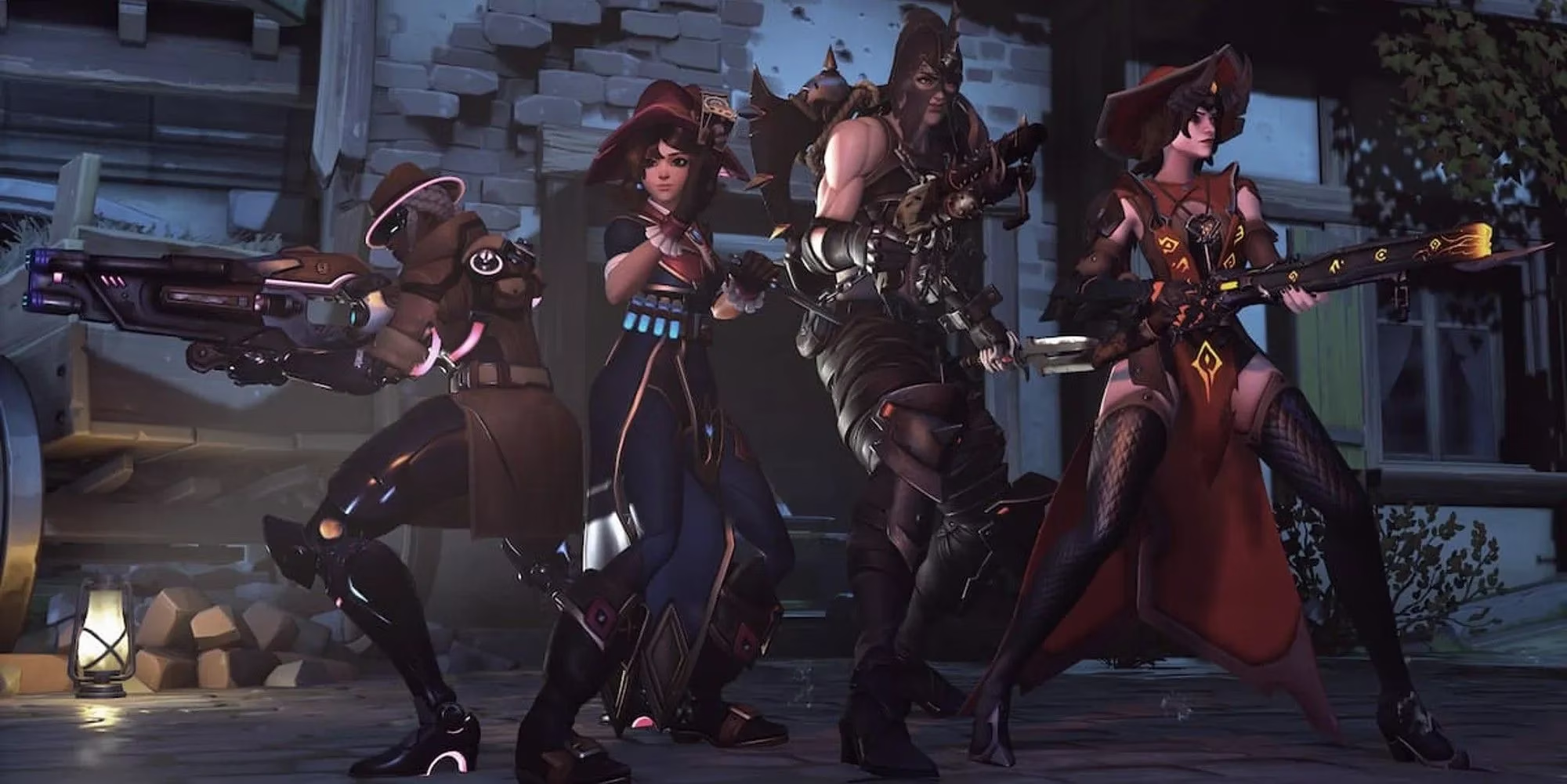
The timing of the survey is notable because it follows a wave of Halloween event controversies. Seasonal bundles containing a skin, an emote, a player icon, and a highlight intro were priced at roughly $26 worth of in-game currency. However, players pointed out that it was not actually possible to purchase exactly $26 in coins, forcing anyone who wanted the bundle to spend around $50 instead. That gap between the advertised currency value and the real-money cost added to the sense that the store was designed to push users toward higher spending tiers.
The community's complaints are not limited to bundle pricing. Some players object to the fact that cosmetics are often sold only in expensive bundles rather than individually. Others say the premium currency model feels less rewarding than the original Overwatch, which allowed players to purchase specific skins directly and made it easier to earn coins through gameplay. In the first game, Loot Boxes also offered a chance to obtain skins without spending extra money, even if the system had its own flaws.
A comparison of the two games helps explain the backlash. The original Overwatch let players earn Loot Boxes through leveling up and arcade wins, which meant that dedicated players could gradually unlock cosmetics without paying. Overwatch 2 changed that loop by tying many rewards to the Battle Pass and the shop, placing a much heavier emphasis on premium currency. The shift was expected to support the free-to-play business model, but many fans believe the balance has tilted too far toward monetization.
Key complaints highlighted by the survey discussion include:
-
Slow coin rewards for free players
-
Expensive seasonal bundles
-
Inability to buy exact amounts of premium currency
-
Limited options to purchase skins individually
-
A free Battle Pass tier that feels unrewarding
Blizzard has not yet confirmed whether it will act on the feedback gathered from the survey. The developer has adjusted some systems in the past, but players remain skeptical because the monetization model has largely stayed the same since the sequel's launch. Many in the community are waiting to see whether the survey leads to meaningful changes, such as lower skin prices, a better free Battle Pass track, or more generous currency rewards.
For now, the survey represents a direct line between the Overwatch 2 player base and the development team. It gives users a formal way to explain why they have or have not spent money, and it provides Blizzard with data that could shape future changes to the store and progression systems. Whether that feedback will be enough to reverse the negative sentiment around microtransactions remains an open question, but the message from players is clear: many feel Overwatch 2 got the monetization balance wrong, and they want a more player-friendly approach.
Leave a Comment