
Overwatch: Classic - A Nostalgic Return to 2016 Hero Kits and Gameplay
Overwatch 2 and Overwatch: Classic deliver a thrilling, nostalgic experience in 2026, reviving the iconic 2016 gameplay and heroes for all fans.
As 2026 unfolds, the Overwatch 2 landscape is buzzing with excitement, not for a glimpse into the future, but for a deliberate and cherished step back in time. The recently introduced Overwatch: Classic game mode has sent shockwaves through the community, offering both veterans and newcomers a chance to experience the foundational gameplay of 2016. This isn't just a simple aesthetic filter; it's a comprehensive rollback of hero kits, game rules, and maps to their original, unaltered states. For players who joined the fight after countless balance patches and reworks, this mode is a revelation, showcasing the raw, often unpredictable, and incredibly potent origins of their favorite heroes.
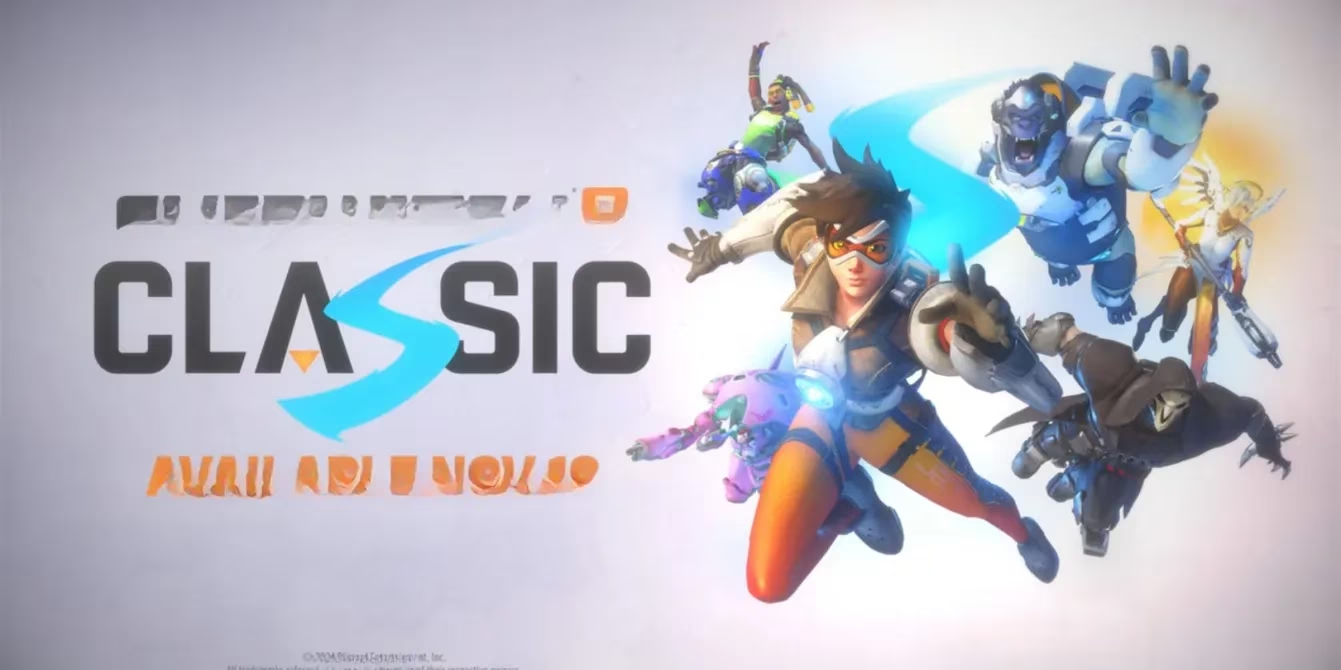
The core premise is a 6v6 showdown with the original 21 heroes, divided into the classic four roles—Offense, Defense, Tank, and Support—but with no role restrictions. Imagine the chaos and creativity of a team running six Winstons, a legendary composition fondly remembered as "Gorilla Warfare." This mode revives the discontinued Assault game type and twelve launch maps, creating a perfect capsule of 2016. However, the true heart of the experience lies in the heroes themselves, each reverted to their launch-day capabilities, which feel profoundly different from their modern Overwatch 2 iterations.
Let's break down some of the most striking changes players are rediscovering in 2026:
🔥 The DPS Role: Unleashed Potential
The Damage heroes in Classic operate with a terrifying efficiency that has been carefully tuned down over the years.
-
Cassidy is a duelist nightmare. His Flashbang is its original, fight-winning version that fully immobilizes enemies, and Deadeye can be canceled to save half its charge. Most notably, fanning the hammer with Peacekeeper deals a staggering 70 damage per bullet.
-
Genji's Dragonblade lasts a formidable eight seconds, and his mobility is enhanced as Double Jump resets after every wall climb.
-
Pharah has greater aerial sustainability and her Rocket Launcher deals significantly higher splash damage.
-
Tracer's Pulse Bomb is a guaranteed elimination on most targets, packing devastating power.
-
Hanzo brings back the infamous Scatter Arrow, a choke-point clearing tool that ricochets lethally. He does, however, lack his modern Lunge passive, making him less evasive.
🛡️ Tanks: A Different Breed of Anchor
The Tank role in 2016 was less about aggressive brawling and more about formidable, static presence.
-
Reinhardt's Earthshatter has a massive horizontal and vertical range, and his Barrier Field boasts much higher health.
-
D.Va is a simpler but dangerous pilot. Her Defense Matrix is a channeled ability on a long cooldown, and critically, Pilot D.Va can be killed by her own Self-Destruct explosion, adding a layer of risk.
-
Roadhog's Chain Hook is the ultimate pick tool, enabling a near-instant lethal combo with his scrap gun for most non-tanks.
-
Winston lacks his alternate fire, and his Barrier Projector's cooldown only begins after the shield expires, demanding careful timing.
-
Zarya has separate cooldowns for her personal and projected barriers, but her energy gain from blocked damage is substantially higher.
💚 Supports: Utility Over Raw Healing
The support lineup feels less like healbots and more like strategic force multipliers.
-
Symmetra is classified as a Support! Her kit revolves around utility: Photon Shield grants allies regenerating shield health, and her ultimate is the game-changing Teleporter, linking the spawn room to any location on the map.
-
Mercy's Resurrect is her ultimate ability, capable of reviving up to five allies at once in a massive team fight swing. Her damage boost also stacks with multiple Mercies on one team.
-
Lúcio's Crossfade aura has a massive 30-meter radius (versus 10m today), making him the ultimate speed boost for team rotations, albeit with weaker healing.
-
Zenyatta's Orb of Discord amplifies damage by a whopping 50%, making focused fire utterly lethal.
🔧 The Builders & Specialists
Some heroes have fundamentally different gameplay loops.
-
Bastion in Sentry Form is an immobile, high-ammo gatling gun that can lock down corridors but is extremely vulnerable to flanks. His Self-Repair is a manual channel, and Configuration: Tank lets him roam freely as a powerful artillery unit.
-
Torbjörn's gameplay is built around collecting scrap from fallen players to forge Armor Packs. His turret starts at Level 1 and must be upgraded with his hammer to Level 2. Molten Core instantly creates a missile-firing Level 3 turret.
-
Junkrat must be cautious, as his Frag Launcher grenades damage himself. He also only has one Concussion Mine charge.
-
Mei's primary fire freezes enemies solid much faster, allowing for easy icicle follow-ups. Her Ice Wall pillars each have 500 health, making them a serious obstacle.
⚙️ System-Wide Rollbacks
Beyond individual heroes, core game systems have been reverted:
-
Ultimates charge significantly faster.
-
Interrupted ultimates refund part of their cost.
-
All self-damage is enabled (affecting Junkrat, Pharah, etc.).
-
The global projectile, health, and damage adjustments from post-2016 patches are absent.
A few modern concessions remain, such as the improved graphics and the hero formerly known as McCree retaining the name Cassidy. The mode is a fascinating historical document and a thrilling alternative playlist. As Blizzard gauges its popularity in 2026, the success of Overwatch: Classic could pave the way for more "seasonal" events showcasing other iconic metas from the game's rich history. For now, it's a powerful reminder of where the world-saving (or dominating) journey began. 🎮✨
Leave a Comment